


University of Bologna
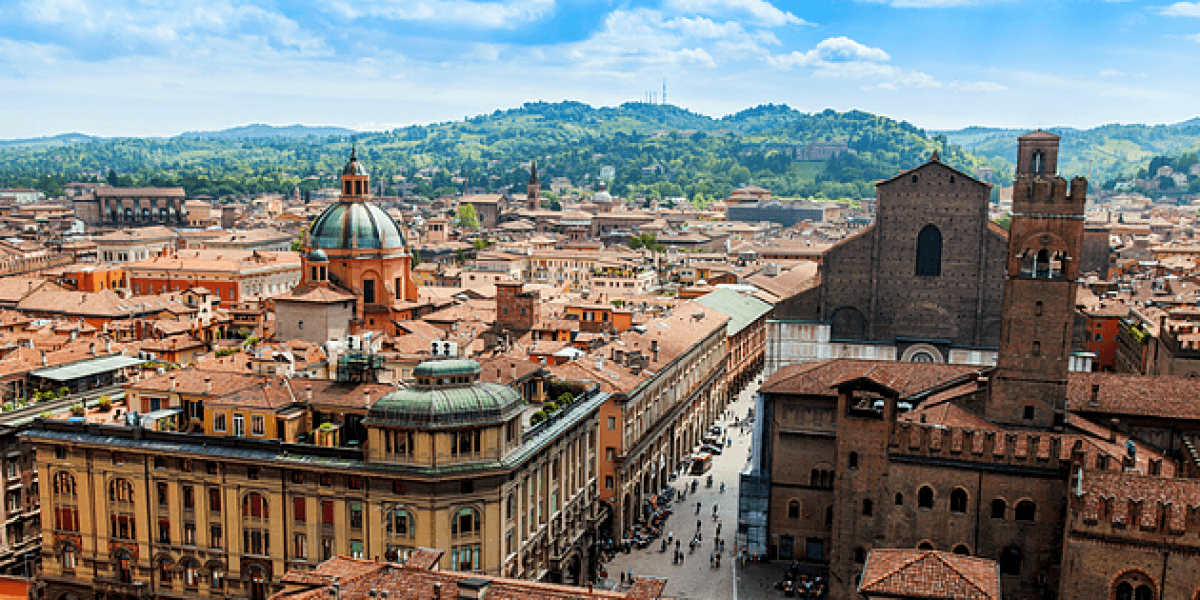
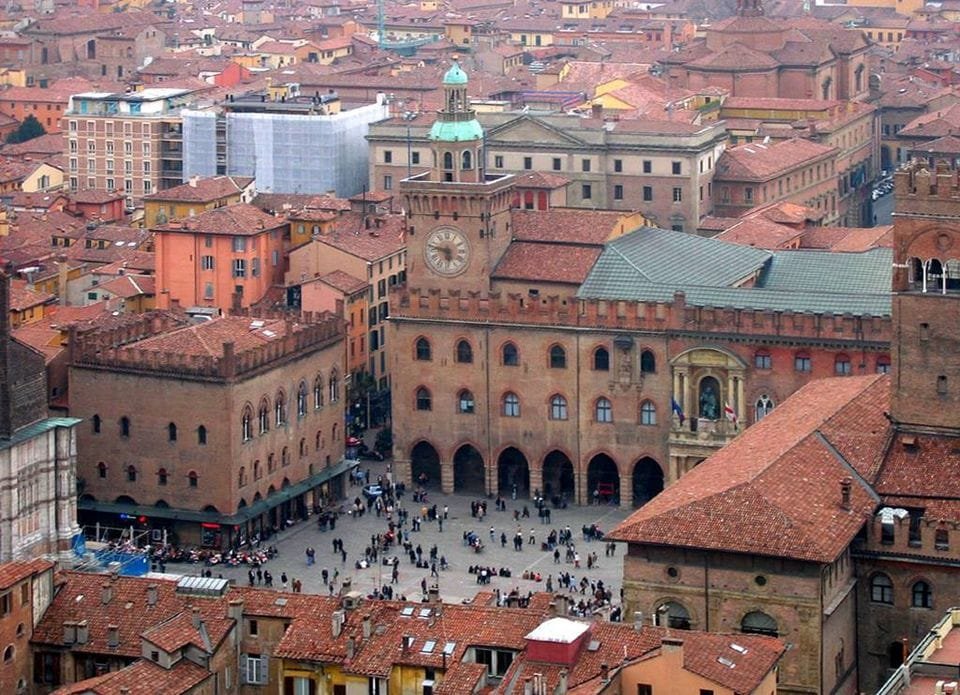
The Alma Mater Studiorum – University of Bologna offers a prestigious 6‑year single-cycle Medicine and Surgery program entirely in English. Founded in 1088, Bologna is the world’s oldest university and a leader in medical education. This international program blends deep scientific training with practical clinical skills in one of Europe’s major healthcare hubs.
Program Overview: The degree awarded is a Laurea Magistrale a ciclo unico in Medicina e Chirurgia (LM-41). Graduates are qualified to take the Italian State Medical Exam and practice medicine across the EU. The curriculum is integrated and problem-based: Year 1–2 focus on basic sciences (cells, chemistry, anatomy, etc.) with labs and early BLS training. From Year 3 onward, system-based medicine and full clinical rotations in affiliated hospitals (notably Policlinico Sant’Orsola-Malpighi) give hands-on experience. Elective courses and research opportunities (e.g. Erasmus, International projects) enrich learning.
IMAT Admission 2026: Admission is via Italy’s national IMAT exam. Bologna accepts one intake per year, with the MIUR call usually in summer. For example, Universitaly registration ran 26 Aug–9 Sept 2025 and the IMAT test was on 17 Sept. Candidates (EU, EEA, and equivalent) needed at least 20/90 to be ranked. (Non-EU abroad candidates have a different threshold.) For 2025/26 the program has 130 seats for EU/EAA and 20 seats for non-EU abroad applicants. Exact numbers and deadlines for 2026/27 will be announced by MIUR, but typically applications open late August and results arrive by October.
Entry Requirements: You must have completed upper secondary education (5-year diploma or equivalent). If your high-school system is shorter, additional credits may be required after enrollment. English proficiency at B2 is expected, but no external certificate is mandatory – proficiency is assessed in the IMAT. (Holding a certificate can help break score ties.) There is no Italian-language requirement for admission, though courses encourage reaching B1 by Year 2 for clinical rotations.
Application Steps:
- Check Eligibility: Confirm your diploma meets Italian entry standards.
- Prepare Documents: Translate and legalize any foreign diplomas; obtain an Italian fiscal code (codice fiscale) if possible.
- Universitaly Registration: When MIUR opens the call (e.g. late Aug), register on universitaly.it, select “Medicine and Surgery – University of Bologna”, and declare your priority. Upload passport and diploma details, and pay the IMAT fee (~€120) by the deadline.
- Take IMAT: Sit for the IMAT on the scheduled date (typically mid-Sep). The test has 60 questions (Biology/General Chemistry, Physics/Math, Logic, and Reading) in 100 minutes.
- Results & Ranking: Results are posted online a few weeks later. If your score meets or exceeds 20/90 (EU), you’ll be ranked.
- Accept Place & Enroll: If Bologna is offered, accept via Universitaly. Then enroll online at Unibo, upload required docs (translated diploma, passport, visa permit), and pay the first tuition instalment. Non-EU students must also finalize a residence permit (check consulate guidance).
Pitfalls: Watch deadlines carefully. Missing the Universitaly window or fee payment means forfeiting IMAT. Double-check that you selected the correct “Medicine (English) – Bologna” program. For non-Italian degrees, obtain a Dichiarazione di Valore (Diploma’s Italian equivalence) promptly after arrival.
Curriculum (Years 1–6): The program is structured by year (see table below). Each year is ~60 ECTS (total 360). Key points: first-year covers foundations like Molecular Biology, Biochemistry, Histology, Physics, and Medical Humanities (ethics, stats). Years 2–3 emphasize organ systems and pathology (cardio, GI, musculoskeletal, oncology, pulmonology, etc.), with nursing and surgical skills labs. By Year 3, students do rotations in internal medicine, oncology, cardiology, pneumology, etc. Years 4–5 delve into specialties (gastroenterology, endocrinology, pediatrics, obstetrics, neurology, dermatology, infectious diseases), alongside core clerkships (Internal Med, Pediatrics, OB/GYN). The final Year 6 focuses on emergency care, clinical reasoning, and community medicine, plus elective clerkships and a 13‑ECTS thesis. The table below summarizes core activities by year:
| Year | Major Courses/Integrated | Clerkships / Practicals | ECTS |
|---|---|---|---|
| 1 | Basic Sciences (Biology, Chemistry, Physics, Histology, Anatomy), Humanities (Ethics, Statistics) | Basic Life Support training (1 ECTS) | ~60 |
| 2 | System courses: Cardiovascular, Respiratory, Gastrointestinal, Musculoskeletal (Anatomy/Physiology/Nutrition) | Basic Nursing (1 ECTS) & Basic Surgical (1 ECTS) | ~60 |
| 3 | Pathology/Pharmacology: Cardiovascular, Thoracic, GI, Thoracic, Oncology, Hematology; Diagnostic Med & BioTech | Rotations in Cardiology, Pneumology, Radiology, etc (approx. 7 ECTS) | ~60 |
| 4 | GI, Endocrine/Metabolic, Genito-urinary, Head/Neck, Sensory org, Musculoskeletal (continued) | Rotations in Surgery, ORL, Ophthalmology, Orthopedics, Rehabilitation, etc (approx. 6 ECTS) | ~60 |
| 5 | Geriatrics, Medical Ethics/Forensics, Pediatrics/Neonatal, OB/GYN, Hematology, Dermatology, Infectious Diseases | Core clerkships: Int. Med, OB/GYN, Pediatrics (4 ECTS each), plus specialized rotations | ~60 |
| 6 | Emergency Medicine, Anesthesia/ICU, Clinical Reasoning, Communication, Palliative Care | Clerkships: Emergency, Advanced Life Support, Community Care (~5 ECTS); + Master’s thesis (13 ECTS) | ~60 |
Tuition & Scholarships: Annual tuition is income-based. The maximum fee (no waiver) is €3,315 for Bologna Medicine (plus €157 fixed), but actual payment depends on family ISEE. Low-ISEE students may pay as little as €157, and full exemptions are possible. ER.GO (Emilia-Romagna scholarship agency) and Unibo offer grants: e.g. region-wide study grants, housing subsidies, meal vouchers. Bologna also lists merit scholarships and need-based aid on its website. Note that unlike Naples Federico II, Bologna does charge tuition, but many international students receive aid. Overall, budget accordingly: estimate up to €3,500/year in worst case (though many pay less) plus living costs.
Living Costs & Accommodation: According to Unibo, a single room in Bologna averages €350–€400/month. Shared (double) rooms are cheaper (~€300). Utilities are extra. Food is reasonable: groceries ~€60/week, university cafeteria meals €4–6. Bus travel is €27/month for students. Bologna University provides housing info and even helps with registering leases. Private dorms and apartments exist, as do subsidized university residences (apply early through ER.GO). In sum, a student budget of ~€800–€1,000/month (rent+living) is typical. This is higher than Pavia but lower than Milan or Florence.
Student Life & Training Hospitals: Bologna is a classic college town with rich culture (food, music, history) and many Erasmus and exchange students. It hosts numerous student associations and cooperatives (sports clubs, cultural societies, etc.). The Centro Linguistico di Ateneo (CLA) offers Italian language and other courses to support internationals. Clinical training takes place mainly at the Policlinico Sant’Orsola-Malpighi (affiliated teaching hospital of UniBo), which handles 70k admissions/year and is ranked among top global hospitals in cardiology and other fields. Other affiliate facilities include the Maggiore hospital and specialty institutes (Neurology, Oncology, Orthopedics). Thus students gain experience in large public hospitals with advanced technology.
Career Outcomes: Graduates earn the right to practice medicine (after passing Italy’s State Exam) and can apply to specialty schools (surgery, internal medicine, etc.) or general practice programs. Unibo’s official profile notes that MD alumni work in hospitals, clinics, academia, research, or health organizations. The English-taught international orientation also opens doors for global health roles or further study (PhDs, master’s) abroad.
Why Bologna Medicine?
- Historic Excellence: Alma Mater Studiorum (1088) is Italy’s first university and a UNESCO heritage of learning. We stress Bologna’s legacy in medicine (Europe’s first anatomy studies) to resonate with applicants drawn to tradition.
- Integrated, Hands-on Curriculum: Unlike older rote programs, Bologna uses problem-based learning (PBL) and early clinical exposure. First-year labs include human anatomy (cadavers) and BLS training.
- Research & Innovation: Home to leading research (genomics, neuroscience, robotics), with modern facilities, plus ties to pharma and biotech hubs.
- Large Teaching Hospital: Policlinico S.Orsola (largest in Italy) ensures broad clinical cases.
- Bologna Lifestyle: The city is vibrant and student-friendly – an international community with high-quality but not exorbitant living standards.
- EU Recognition: Degree fully recognized in EU; Bologna’s global exchange programs (Erasmus, clerkships) are strong.
- Support Services: Robust student support (housing, language courses, counseling) helps foreign students adapt.
Study Medicine (English) at University of Bologna – Apply via IMAT!
Discover Italy’s oldest university and its prestigious 6-year Medicine & Surgery program taught entirely in English. The University of Bologna (Alma Mater Studiorum, founded 1088) offers a modern, problem-based curriculum with clinical rotations starting early. Admission is by MIUR’s IMAT exam: register on Universitaly in late Aug/early Sept and sit the IMAT (mid-Sept). Bologna has ~130 seats for EU/EEA (and equivalent) candidates for 2025/26. Learn about eligibility (high-school diploma required), prepare your documents, and boost your IMAT score to meet the 20/90 cutoff. Tuition is income-based (max €3,315/year), with scholarships and housing aid available. Bologna is a vibrant student city: rooms cost ~€350–400, meals ~€4–6. Clinical training takes place at the Sant’Orsola-Malpighi hospital, one of Italy’s largest. Download our free program guide and apply now to secure your spot!