


University of Parma


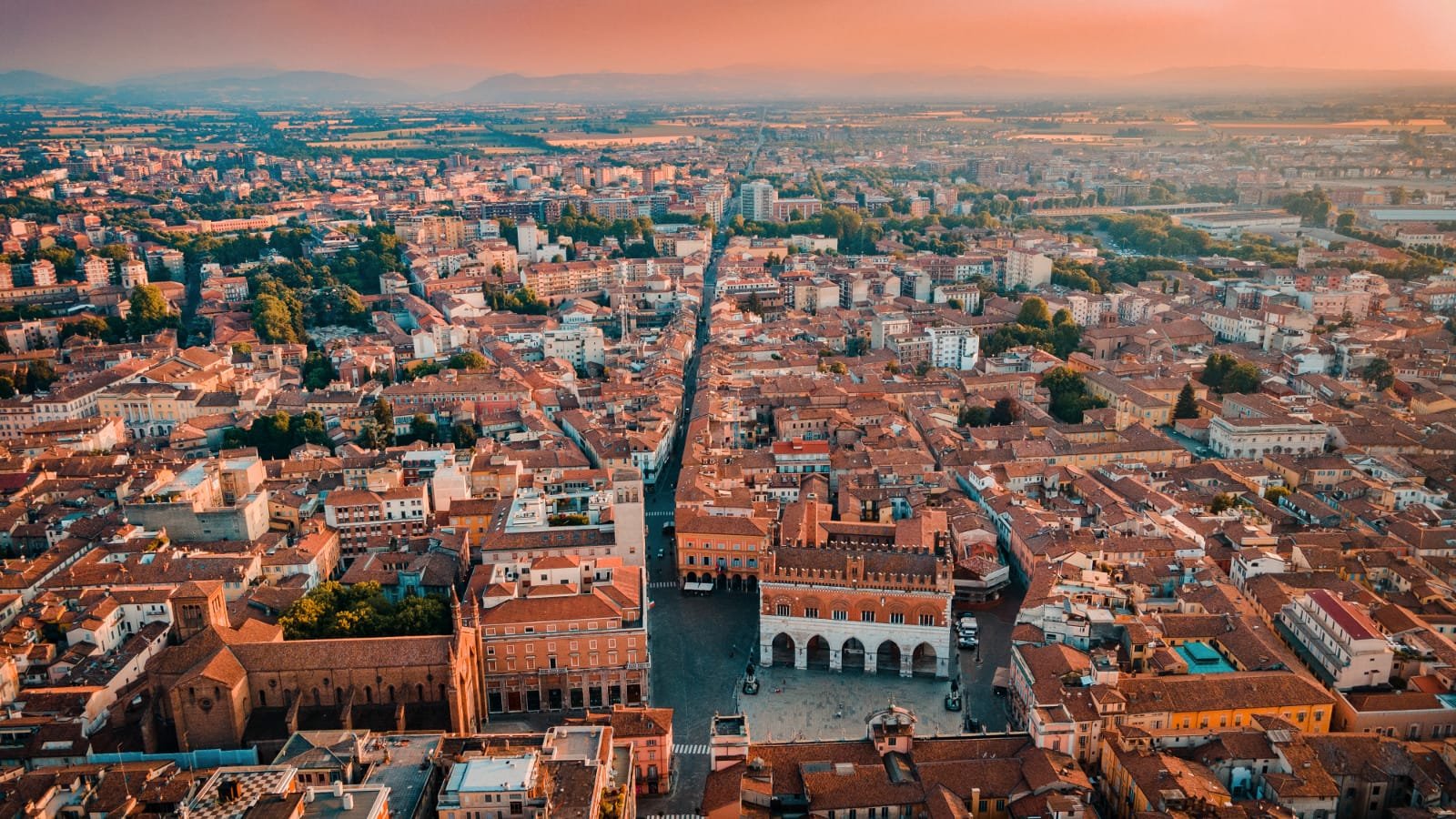
The University of Parma (UniPR) offers a 6-year Laurea Magistrale a ciclo unico in Medicine and Surgery, taught entirely in English, with classes based in Piacenza (seat of the course) and clinical rotations in Parma’s hospital complex. The program awards a “Laurea Magistrale in Medicina e Chirurgia” (equivalent to MD) and takes 6 years (360 ECTS) to complete. Admission is via the national IMAT exam; UniPR sets aside 75 EU (including Italian) and 45 non-EU seats for 2025/26 (and similar allocations in recent years). The IMAT is a 60-question, 100-minute entrance test (multiple-choice, +1.5 for correct, -0.4 for wrong) covering Biology, Chemistry, Physics/Math, Logical Reasoning, and General Knowledge. Parma’s recent IMAT cut-offs (final scores) have been ~59–60 (EU, 2024) and ~59–68 (non-EU). Selection is rank-based (separate EU and non-EU lists). Tuition is income-based (approx. €0–€2,925/year) with regional ER.GO scholarships covering full fees for qualifying students. Parma is one of Italy’s costlier cities (Numbeo: 1BR apt ~€790/month, transport €36). Clinical training is integrated from year 1 with small-group rotations (medicine, surgery, emergency) and intensifies in later years; the 6th semester (end of year 3) is fully hospital-based (rotations plus thesis). Graduates obtain the Italian medical license (as per law 27/2020, no separate licensure exam) and may then enter residency programs via the national SSM examination. This report details program structure, IMAT admissions, cut-offs, living costs, support services, and post-graduation pathways for UniPR Medicine in English, citing official and authoritative sources throughout.
Program Overview
- Official name: “Medicine and Surgery” (Medicine e Chirurgia) – single-cycle degree (6 years).
- Degree: Laurea Magistrale a ciclo unico in Medicina e Chirurgia (awarded MD-equivalent).
- Language: English. All lectures and materials are in English.
- Campus/Locations: Main seat in Piacenza (Collegio Alberoni historic campus). Clinical rotations occur at the Piacenza “Ospedale Guglielmo da Saliceto” (the dedicated teaching hospital). Note: admission tests and some facilities (like future labs) are in Parma (via Gramsci), but daily study is centered in Piacenza.
- Start Year: First class began October 2021.
- Credits/Structure: 360 CFU total. Preclinical courses in early years, clinical rotations and clerkships throughout. By law, the 6th semester (end of year 3) is fully hospital-based with no lectures (dedicated to practical rotations and thesis).
IMAT Admissions (International Students)
Eligibility & Registration
- IMAT Requirement: All applicants must take the IMAT (International Medical Admissions Test) as mandated by the Italian Ministry. This national entrance exam covers Biology, Chemistry, Physics/Math, Logical Reasoning, and General Knowledge. There are no special prerequisites beyond a valid secondary-school diploma; in practice, candidates need to complete high school (or equivalent) by enrollment time. (No age limit or nationality restrictions apply, but non-EU applicants must later secure a visa.)
- Universitaly Registration: Candidates must register via the Universitaly portal during the official application window (dates below). The university’s call explicitly requires completing the global “Universitaly” pre-enrollment: for AY 2025/26, registration is 26 Aug–9 Sep 2025; for AY 2024/25 it was 2–12 Sept 2024. Without Universitaly pre-registration, a candidate cannot sit the IMAT for Parma.
- Required Documents: Final high-school certificate (or proof of imminent completion) is needed. After passing IMAT and receiving a call, admitted students must submit verified documents (diploma, passport, passport photos, and any required translations or equivalency certificates) to UniPR. Non-EU students will need extra paperwork for visas (see Student Support below).
- Parma’s Cutoffs (last 5 years):
- 2021: EU ~35.0, Non-EU ~35.5.
- 2022: EU 38.3, Non-EU 41.9.
- 2023: EU 36.1, Non-EU 50.1.
- 2024: EU 59.1 (final after scrolling), Non-EU 59.1.
- 2025: EU ~56 (first round), Non-EU 67.6.
(Final cutoffs vary yearly; these are official values from MIUR or analyses.)
Selection & Ranking
- Separate rankings: UniPR maintains separate merit lists for Italian/EU candidates and for non-EU candidates. Each group competes for its own quota (75 EU places, 45 non-EU places for 2025/26). Ties are broken by standardized MIUR rules (more correct GK/R points, etc.).
- Number of seats: As per official decrees, Parma offered 60 EU + 40 non-EU seats in 2022/23, then increased to 75 EU + 45 non-EU from 2023/24 onwards. (The 75 includes Italians, other EU, and those from EEA countries.) This expansion aligns with MUR’s 2025 announcement of 75/45 for Parma. Historically, seats have been:
- 2021/22–2022/23: 60 EU, 40 non-EU.
- 2023/24 onward: 75 EU, 45 non-EU.
Applicants are ranked nationally by score. For Italian/EU candidates, a national ranking list is used (via Universitaly). Parma’s allocated EU seats come from this national pool. Non-EU candidates select Parma on Universitaly and are then ranked on a local list published by UniPR (no scrolling: if not in top 45, cannot enroll). Final enrollment follows the timeline posted by UniPR’s admissions office (see References link map for official calls).
Tuition, Fees & Scholarships
- Tuition Bands: Like all Italian public universities, UniPR tuition is income-based. The variable fee ranges from about €0 up to ~€2,925 per year for top-earning families. (Plus a fixed regional tax of ~€156 annually.) In practice, many students pay far less than the maximum.
- Fee Calculation: Parma uses students’ ISEE (family income indicator) to set fees. The minimum annual amount (for low-income) is ~€156; the maximum is ~€2,925. Exact tuition tables are published by the university; see UniPR’s “Fees and contributions” page for details.
- ER.GO Scholarships: Parma participates in the Emilia-Romagna regional scholarship program (ER.GO). Qualifying students (based on ISEE and merit) receive full scholarships, which waive tuition and provide a living stipend. The ER.GO scholarship covers housing too (through a campus housing ranking). Detailed criteria are in the regional call and on UniPR’s ER.GO info page. In effect, very low-income students may attend virtually tuition-free through ER.GO support.
Living Costs in Parma
Parma is one of Italy’s more expensive university cities (after Milan) according to cost-of-living indexes. Key expenses:
- Housing: A one-bedroom apartment in city center ~€790/month. Outside center ~€578. Students often share rooms or rent in Piacenza (cheaper) or suburban Parma.
- Utilities: Basic utilities (electricity, water, heating) for an 85m² flat ~€210/month. Internet + mobile ~€40–€50 total.
- Food: An inexpensive meal ~€18; grocery staples (1 L milk €1.27, 500 g bread €2.67). Monthly groceries might average €200–€300 per person.
- Transport: Single bus ticket €1.70; monthly pass
€36.50. Parma is compact so many students bike or walk. Taxis are pricey (€1.30/km). - Other: Personal expenses (social life, books) might add €150–€200/month. On average, a single student might spend around €900/month excluding rent; with rent, full living cost ~€1,600–€1,800.
Overall, Parma is cheaper than Milan or Rome, but costs are still significant. Many int’l students live in shared apartments in Piacenza or Parma outskirts to reduce rent. UniPR offers a “Housing Showcase” tool for finding rentals.
Curriculum & Clinical Training
- Degree Structure: 6 years with integrated curriculum. Early years focus on basic sciences (anatomy, biochem, physiology), with medical humanities and languages. From Year 1, weekly clinical rotations begin: groups of ~4–6 students attend wards in internal medicine, surgery, emergency medicine, etc. (UniPR describes “rotations weekly in groups” through core departments).
- Teaching Hospitals: The primary teaching facility is Ospedale Guglielmo da Saliceto in Piacenza. Future plans include a new dedicated medical school building. In Parma itself, students may rotate at the University Hospital (via Gramsci) for certain specialties. The Collegio Alberoni in Piacenza hosts lectures.
- Clinical Years: Years 4–6 intensify hospital training. The 6th semester (end of 3rd year) is a full clinical block: no lectures, all hospital time and thesis writing. Fourth and fifth years include major specialties (e.g. OB/GYN, pediatrics, neurology, subspecialties) with rotations and case-based learning. In Year 5, Parma uniquely includes a focus on “healthcare systems in other countries” reflecting the international curriculum.
- Electives and Clerkships: Apart from mandatory rotations, students may do elective clerkships and some have the opportunity to rotate abroad via exchange programs. The program emphasizes early practical experience. (Full course details and module list are on UniPR’s syllabus webpage.)
Student Support & Services
- International Office: UniPR’s International Students Office assists foreign students. Contact: admissions@unipr.it, +39-0521-902111. They handle general queries, pre-enrollment help, and visa advice. (There is also a Univ. international website with guidance for incoming students.)
- Accommodation: ER.GO manages student housing (university residences) via a ranking list. UniPR also offers an online Housing Showcase to find private rentals in Parma and Piacenza. New students are encouraged to book housing early. The Welcome Point Matricole (freshman info desk) assists with settling in, and ER.GO provides free campus housing for scholarship winners.
- Visa & Permits (Non-EU): Non-EU entrants must follow the Ministry’s international admissions procedures. After securing a spot, students must pre-enroll on the “Studiare in Italia” portal and obtain an Italian student visa from their country’s consulate. They then must apply for a permesso di soggiorno (residence permit) within 8 days of arrival. (Detailed rules are in MIUR’s annual circular for international students.) UniPR’s international office will guide students through this process.
Career Outcomes & Residency Paths
- Degree & Licensure: Graduates earn the Laurea Magistrale in Medicina e Chirurgia (LM-41), which automatically grants professional qualification. Under law 27/2020 (art.102), the LM degree (plus required practical training) “abilita” one to practice as a medical doctor. In effect, there is no separate state licensing exam: after finishing the program (including the clinical internships), Parma graduates receive their diploma with abilitazione to the profession. They then register with the local Ordine dei Medici. Non-Italian graduates may need to have their degree recognized (homologazione) but in the EU this is streamlined.
- Residency (Specialization): To specialize (e.g. surgery, pediatrics), graduates take the national “Concorso di Scuola di Specializzazione” (SSM). This yearly exam (held in late July) has 140 MCQs and awards extra curriculum points for grades/thesis. Admission is very competitive; recent SSM scores ranged broadly depending on specialty. The SSM is the sole entry exam for all Italian residency programs.
- Work Opportunities: Parma alumni become fully qualified doctors. Career options include hospital (public or private), general practice, research or PhD programs, international health organizations, or continuing medical studies. The Bologna Medicine page notes that graduates may enter any clinical specialty or research role. Many Parma graduates pursue specialization positions across Italy.